 |
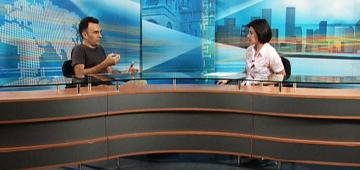
Armenians in Ottoman EmpireOttoman Turkey destroyed the Armenian capital, which was the most active and creative element of its Empire, thus actually destroying or weakening its own self, its own country. Was the Armenian Genocide the consequence of political ignorance? The pavilion of Third Millennium hosts the Project Director for Houshamadyan Research Association Vahe՛ Tachjian. The conversation is hosted by Anna Sargsyan. |
 |
Memory of Genocide and CinemaThis year, the 12th Film Festival Golden Apricot had two new program to commemorate the Genocide victims. A number of films produced by Armenian and foreing authors were screened both in Armenia, as well as abroad. From what prospective does cinema view the topic of Genocide, what does the audience expect from such films? The topic is discussed by journalist Nune Hakhverdyan and film critic Raffy Movsisyan. The conversation is hosted by Anna Sargsyan. |
 |
Memory of Genocide – factor for consolidation of nationThe topic of Genocide as a factor of collective memory, is one of the essential components of our collective identity and unity. Why? How can we overcome the trauma if it stands in the core center of our national identity? How can the national identity in its turn, be transformed under such circumstances? The topic is discussed by historian Smbat Hovhannisyan and ethnographer Mkhitar Gabrielyan. The conversation is hosted by Anna Sargsyan. |
 |
Armenian Genocide: Overcoming the ConflictHow can we characterize the Armenian Genocide as a conflict? What role may these wide-scope initiatives of the centenary of the Genocide play in solving the conflict between the Armenian and Turkish societies? The topic is discussed by conflictologist Artak Ayunts and journalist Tatul Hakobyan. The conversation is hosted by Anna Sargsyan. |
 |
Overcoming the Consequences of Genocide in Educational ContextWhat concept is assumed by overcoming the consequences of genocide in educational context? The topic is discussed by Doctor of Philosophical Sciences Serob Khachatryan and the Headmaster of Mkhitar Sebastatsi Education Comples Ashot Bleyan. The conversation is hosted by Anna Sargsyan. |
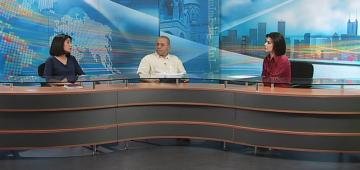 |
Armenian Genocide: transferred traumaHow did the memory of Genocide transfer? How did a nowadays school-child perceive grief or sorrow, which is going on for 100 years? Psychologist Khachatur Gasparyan and ethnographer, education expert Satenik Mkrtchyan discuss the mechanisms of transgenerational trauma of the Genocide and how to present the topic to school-children. The conversation is hosted by Anna Sargsyan. |
 |
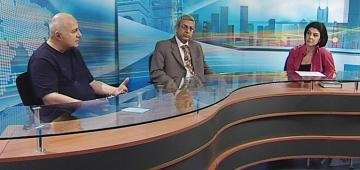
Armenian Genocide: Facing the HistoryWe often call Turkey for facing its own history. And how do we ourselves do it? Is the concept of our national security pointed at overcoming the consequences of the Genocide? The topic is discussed by GeghamBaghdasaryan, Editor-in-Chief of Analyticon journal and VahramTer-Matevosyan, specialist in Turkish studies. The conversation is hosted by Anna Sargsyan. |
 |
Annals of Genocide as DocumentaryThe centenary of the Armenian Genocide is yet another occasion to disclose the phenomena of memory and remembrance. What do the human stories come to add to the official documentaries on the Armenian Genocide? Why does often an artistic description contain more information than the official document, why is it easier to believe in?
|
 |
Topic of Armenian Genocide in the European ContextGerman historian Markus Osterrieder and Herald Hefner from European Forum for Freedom in Education, arrived in Armenia to pariticipate in the centenary of the Armenian Genocide. German specialists discuss the Genocide taking place in Ottoman Empire, as well as the issue of responsibility of the Europe, namely Germany in recognition of the Genicide. They also express their viewpoints about overcoming the consequences of Genocide and approaches in bringing that topic up in the education system. The conversation is hosted by Anna Sargsyan. |
 |
Topic of Genocide in the Education SystemHow to teach the topic of Genocide in the education system? What are the specifics in the European and Armenian schools in this respect? The topic is discussed by Rosemary Bluder, Member of the European Council for Schteiner Waldorf Education, who arrived in Armenia on the centenary of the Armenian Genocide, and Ara Atayan, teacher of Aregnazan Educational Complex. |
 |
Remembering and Recognizing the Armenian Genocide: Svante LundgrenOn the centenary of the Armenian Genocide, our country received numerous experts from other countries. The pavilion on the Third Millennium hosted Svante Lundgren from Lund University, Swedan. The conversation is hosted by Anna Sargsyan. |
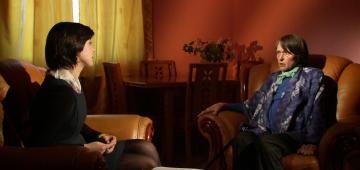 |
Maryte Kontrimaite, the Lithuanian friend of ArmeniansThe crew of Third Millennium was hosted by the Lithuanian writer, publicist, public figure and translator Maryte Kontrimaite. She was in Armenia to take part in the events dedicated to the centenary of the Armenian Genocide. Despite her serious health issues, the Lithuanian expert of Armenian studies, came to Armenia to be next to Armenians on these days and pass her message to the Armenian nation.
|